How to Make Hearing Aids More Comfortable While Reducing Remakes and Adjustments
For hearing aid clinics, achieving a comfortable fit while reducing remakes is a constant challenge. Many fitting issues—such as discomfort, acoustic leakage, or poor retention—are not caused by the device itself, but by inaccuracies in the ear impression stage.

The Hidden Problem: Inconsistent Ear Impressions
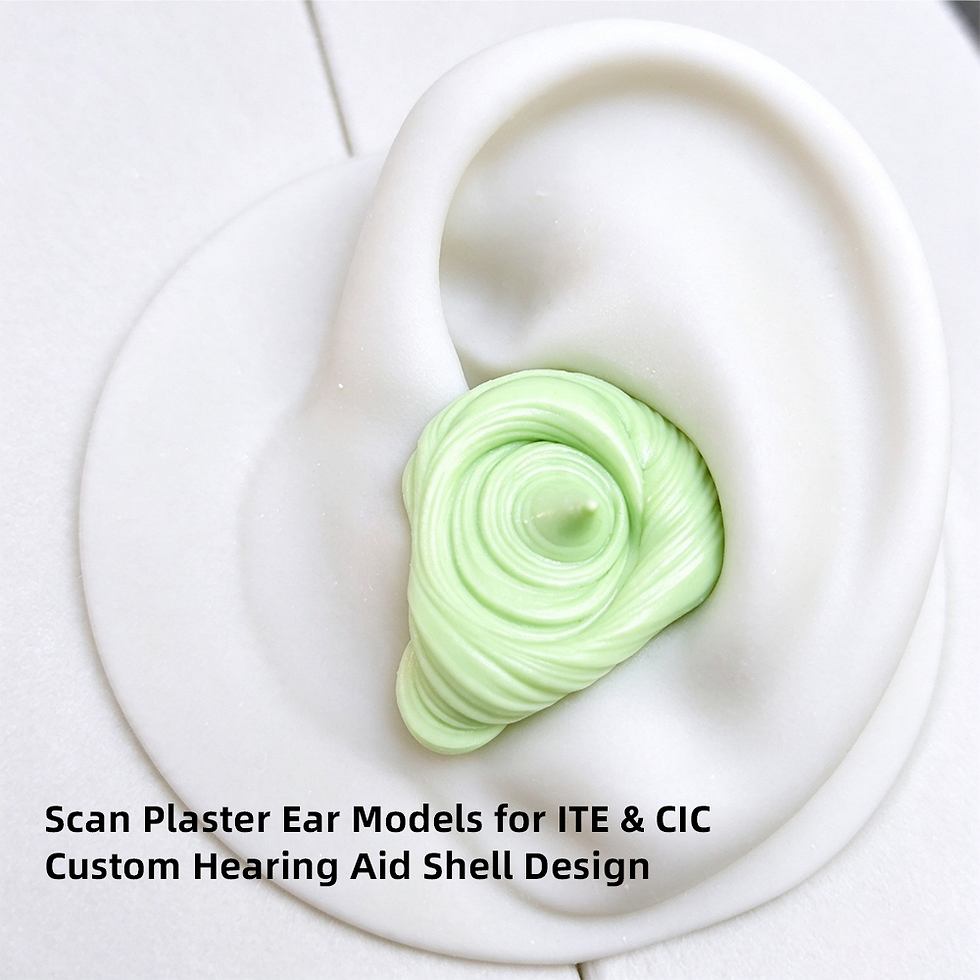
Traditional ear impression workflows rely on manual handling and physical materials. Even when impressions are taken correctly, issues can still occur during storage, shipping, or duplication. Small deformations or incomplete details can lead to poor-fitting final products.
These inconsistencies often result in:
Pressure points or discomfort
Feedback due to poor sealing
Multiple remakes and adjustments
Increased turnaround time
How JME3 Ear Impression Scanner Improves the Workflow
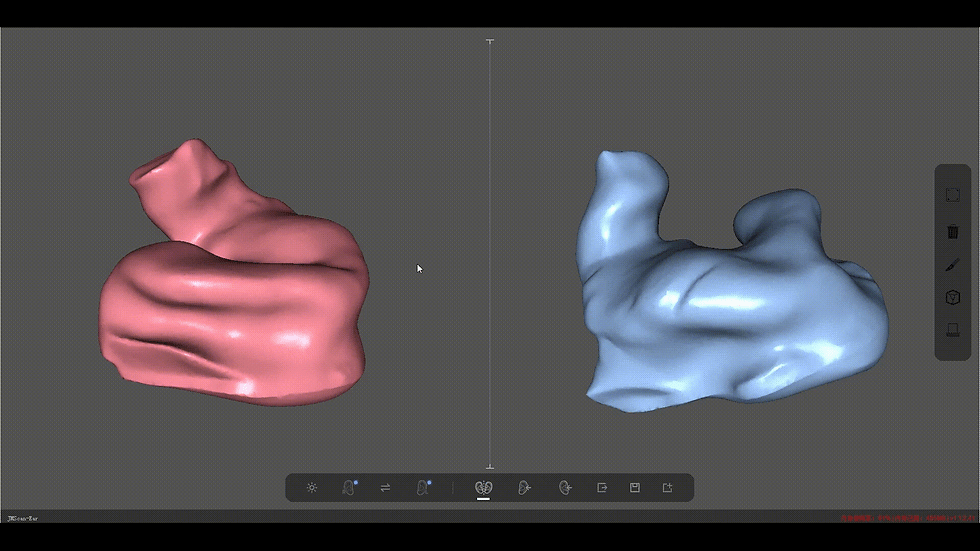
The JME3 Ear Impression Scanner is designed to digitize physical ear impressions with high accuracy. Instead of relying solely on physical molds, clinics can convert ear impressions into precise digital models for storage, review, and manufacturing.
By digitizing the impression:
The original shape can be preserved without deformation
Data can be reviewed before production
Communication with labs becomes clearer
The risk of errors during transport is reduced
Why Digital Ear Impression Files Matter
A consistent and accurate ear impression is the foundation of a comfortable hearing aid. By converting physical impressions into digital files, clinics gain better control over quality and reduce variability across the workflow.
FAQ
Q1: Does JME3 scan the ear canal directly?
A: No. It scans physical ear impressions, not the ear canal itself.
Q2: Why digitize ear impressions?
A: To preserve accuracy and avoid deformation during handling and transport.
Q3: Can digital files reduce remakes?
A: They help improve consistency and allow pre-production verification.
Q4: Can data be stored long-term?
A: Yes, digital files can be archived and reused when needed.